Weekend getaways to Lake Travis are a Round Rock tradition. When temperatures climb, and the sun beats down on Central Texas, there’s no better escape than paddling across calm blue waters with friends and family. Kayaking and paddleboarding offer the perfect combination of exercise, relaxation, and scenic views that make our area special.
The Hidden Cost of Paddling
Every paddle stroke involves your rotator cuff, a network of muscles that keep your shoulder stable while it moves. Your shoulder essentially dangles from your body, held in place by a capsule and the surrounding muscles. This design offers incredible mobility but makes you vulnerable to injury when you repeat the same motion hundreds of times a day on the water.
Kayaking and paddleboarding demand constant overhead reaching, pulling, and rotating. Each stroke stresses your rotator cuff muscles, and fatigue sets in faster than you might expect. When these muscles tire, your shoulder loses stability, setting the stage for strain or inflammation that could sideline you for weeks.
Dr. Harris understands shoulder injuries firsthand. Having dislocated his shoulder, torn cartilage, and suffered multiple shoulder injuries himself, he brings both professional expertise and lived experience to treating paddling-related problems.
Warning Signs Every Paddler Should Know
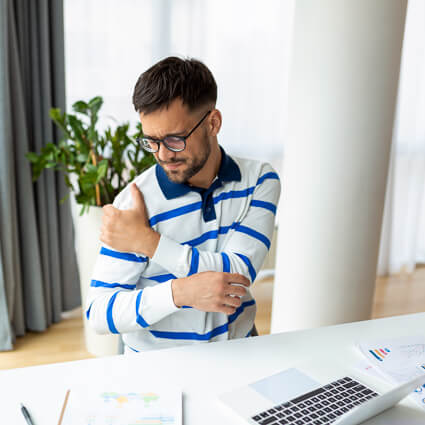
Pay attention to what your body tells you during and after water activities. Shoulder pain that develops gradually during paddling often indicates overuse. You might notice a dull ache that intensifies with each stroke, or perhaps a sharp pain when you reach overhead.
Some paddlers experience weakness that makes it hard to maintain proper form. Others notice clicking or popping sensations, especially when raising their arms. Numbness or tingling down your arm deserves immediate attention, as it may signal nerve involvement from tight muscles in the back of your shoulder.
Building Stronger Shoulders for the Water
Preventing paddling injuries starts with preparation. Your shoulders need strength and endurance to handle extended time on the water. Focus on exercises that target your rotator cuff muscles specifically, not just your larger shoulder muscles.
External rotation exercises with resistance bands help strengthen the muscles that stabilize your shoulder during paddle strokes. Rows and reverse flies address the muscles between your shoulder blades, which often become weak from daily desk work and phone use. Core strength matters more than you might think, as a strong core lets you generate power from your torso rather than relying solely on your shoulders.
Innovative Practices for on the Water Activities
Technique makes all the difference. Keep your movements controlled and avoid overreaching. Let your core and legs do more of the work, rather than relying solely on arm strength. Take breaks during long paddles, giving your muscles time to recover before fatigue compromises your form.
Warm up before you hit the water with arm circles, shoulder rolls, and gentle stretches. After paddling, stretch again to prevent tightness from settling in.
The Gonstead Technique that Family Wellness at Teravista uses addresses the connection between your neck and shoulder function. Nerve flow from your neck to your shoulder muscles plays a key role in maintaining the strength your joint needs for stability.
Ready for Pain-Free Paddling?
Don’t let shoulder pain keep you off the water this season. Family Wellness at Teravista offers targeted care to address both immediate discomfort and the underlying issues that make injuries more likely. Contact us today to schedule your evaluation.